
How to find a Yogurt that is Right for You
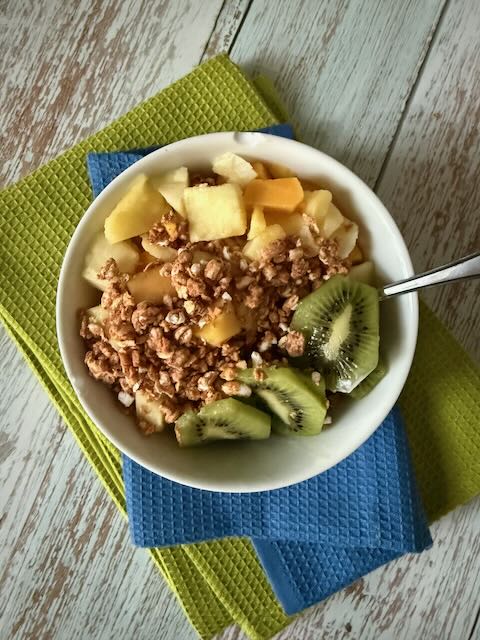


How can you find a yogurt that is right for you? With so many options on the shelves of the dairy aisle: Greek, skyr, low fat, non-fat, regular, artificial sweeteners, organic, plant-based…it can be overwhelming to know which yogurt to choose!
This post will help you get cultured with the different yogurts so you can choose a yogurt that fits with your needs!
High Protein Yogurts Explode over the last 10 years!
Over the last 10 years, there has been an explosion of high protein yogurts on the market. Here is how they vary.
Fat content:
- Simpler Greek products are made from milk, cream and bacterial cultures. The more cream used, the higher in fat the Greek Yogurt. You can find Greek yogurts up to 10% MF which is more similar to a sweetened sour cream! These higher fat yogurts are very creamy, tasty and rich tasting. If you choose them, you’ll benefit from atuning to your fullness cues as they are very energy dense.
- Skyr Yogurt, also known as Icelantic style, is made from skim milk that is mixed with live active cultures and enzymes. It is then whipped, heated and filtered. It is made from more milk than Greek Yogurt. Because it is made from skim milk, it is always non-fat.
- If you would like to try one of the decadent Greek yogurts out there (ie -high %MF), consider serving it as a dessert or use it in place of sour cream in a warm soup or a baked potato.
- You can find non-fat plain Greek yogurt which is just skim milk + bacterial cultures, strained. This is a low in fat, high in protein choice with a creamy texture. If you find this kind of yogurt too sour, check out some tips below for sweetening up the yogurt.
- Flavoured Greek yogurts abound with different fat contents. When you read the ingredient lists, they usually have flavouring and thickener. Many have very little fruit. This is where yogurt can get confusing because they are all mixed in together.
Protein content
- Greek yogurts are high in protein and have ~twice the amount of protein as non-Greek yogurt. Most Greek yogurts have at least 12-18 grams of protein per serving which can contribute to our feeling of fullness, not to mention, providing essential branched-chain amino acids, important for strength building after a resistance training.
- Some yogurts are more “Greek style” and have milk protein concentrate added to them to give the nutritional profile of yogurt, but are not actually Greek yogurt.
- Skyr yogurt is strained more than Greek yogurt, making it thicker, creamier and more protein (~19 g protein/serving).
- As with all packaged foods, read your label to see what you are actually getting.
Do I have to buy a High-Protein Yogurt?
No, you can still enjoy a non-Greek, non-Skyr yogurt. They are less concentrated, have less protein (about half the amount of protein as a Greek or Skyr yogurt), but are still an excellent milk alternative. Some of my favourite yogurts are non-Greek yogurts.
High-protein yogurts provide a simple and convenient way to get your protein needs for your body, as well as other micronutrients, including calcium, Vitamin B12 and magnesium. Not everyone wants this or likes the thick texture of high-protein yogurts. If you would benefit from more protein and would prefer a thinner yogurt, try mixing in some milk to gently thin out a thick yogurt.
As with all packaged foods, read your food label and pay attention to what you are putting in your cart. I picked up an orange-mango flavoured yogurt – and came home with a 7% M.F. yogurt – which was delicious but more like a dessert than a yogurt I would choose every day with my breakfast. Information on the food package can give you information about how it can fit into your lifestyle.
Yogurt: Active bacterial cultures vs probiotics
Probiotics are live microorganisms that when given in the right amounts, give a health benefit to the host. They work to keep the colon (large intestine) healthy by balancing good and bad bacteria. Probiotics may help with a whole host of health concerns including infection, vaginal health, fatty liver, weight management, irritable bowel syndrome, lactose intolerance and constipation. Probiotics must be taken regularly as they do not survive in your colon for more than 1-2 weeks.
According to the Canadian Dairy Commission, in Canada, to bear the name “yogurt”, it must have the Lactobacillus bulgaricus and Streptococcus thermophiles bacterial strains, combined with lactic bacteria. Lactobacillus and bifidobacterium (genus) are the most common probiotic bacteria. The different strains of these bugs can yield different effects. To benefit your colon, read the yogurt package and look for lactobacillus casei and bifidobacterium species. Lactobacillus bulgaricus and Streptococcus thermophilus may also offer benefit to your colon, but to bear the name “yogurt” in Canada, then you already know that those particular strains have been added.
A yogurt that says “active live cultures” may not necessarily offer all cited health benefits of a probiotic – it depends on the strain, and the amount of the active live culture present.
Portion Sizes of Yogurt & Calcium Intake
For a yogurt to be a “good source” of calcium, it needs to have at least 15% DV for calcium (at least 165 mg calcium), the amount you will usually find from 175 grams (6 ounces or 3/4 cup).
Many individually packaged yogurts available are 4-6 ounces, and some are smaller. These smaller portion sizes had 8-10% DV calcium.
Women 50 years and under, need to aim for 1000 mg of dietary calcium/day (and stay below 2500 mg/day). Women 51 years and above should aim for 1200 mg of dietary calcium/day (and stay below 2000 mg/day). If you are eating yogurt as a milk alternative, these small single-containers may not supply a sufficient amount of calcium to your diet.
Plant-based yogurts
Many people cannot eat or choose not to eat dairy-based yogurts. Luckily, plant-based yogurt alternatives exist in Canadian grocery stores. Instead of cow’s milk, plant-based yogurts are made from different plant-based milks: coconut milk, almond milk, oat milk, soy milk and rice milk. Plant-based yogurts have different nutritional profiles from dairy-based yogurt.
A 2021 study found that 33% of yogurt alternatives had 5 g or more of protein/serving. Less than half had calcium levels fortified to at least 10% of the daily value for calcium. Half of yogurt alternatives had high sugar levels. With the exception of coconut based products, yogurts were not high in fat or saturated fat. Not all plant-based yogurt alternatives were fortified as frequently or to the same levels as their plant-based beverages. So if you are choosing plant-based yogurts, be informed about their nutritional profile so you can see if they are packing the nutritional punch you hope they are.
Yogurt: Plain vs Sweetened
Yogurt is a nutritious and versatile food, but plain yogurt can be too sour, tangy or boring for many of us. But store-bought flavored yogurts are often sweetened with hidden, added sugars. Sometimes store-bought yogurts have hidden non-nutritive sweeteners in them.
While there is room in all of our diets for hidden added sugars (making up to 5-10% of our total dietary intake), many of us in midlife are actively paying attention to the sources and quantity of hidden, added sugars in our diet. Some of us have blood sugar concerns or other heart health concerns. We are all looking at finding what is right *for us*. What can we enjoy AND live our best life?
All-or-something thinking with yogurt
If you have worked with me, you know I am a proponent of “all-or-something thinking”, instead of “all-or-nothing thinking”. All-or-nothing thinking is an example of a cognitive distortion called “black and white thinking”. This style of thinking is often rigid, inflexible and results in being either “all in” or “off the rails”.
Being all in is often not totally sustainable. And being all out usually results in dietary capitulation – or – why bother…and that is where self-sabotage creeps in.
Instead of all-or-none, try all-or-some:
The “all” might be a fully sweetened yogurt. The “nothing” might be plain, unsweetened”. And in between these 2 polarizations, there are many options in between. This is where each of us gets to decide what is *right* for our situation.
- You might prefer sweetened yogurt. And that is perfectly okay!
- Even amongst the sweetened versions, there are different amounts of sugars in the different flavours. For example there is often more added sugars in a lemon-flavoured yogurt than a vanilla.
- There are reduced sugar varieties available in the dairy aisle. For example, Oikos Triple Zero or Two Good Yogurt by Danone.
- You can experiment with mixing together sweetened and unsweetened yogurts. This option is especially helpful for helping our tastebuds to adjust and adapt to less intensely sweetened versions.
- You can add in a drizzle of honey or maple syrup to your plain yogurt. I typically suggest <2 tsp honey or maple syrup per ¾ cup portion.
- You can also explore making your own delicious versions of sweeter-tasting yogurt at home—without the extra sweeteners. See ideas below!
- You might prefer unsweetened, plain yogurt. That is fine too!
How to sweeten your yogurt with less sugar:
- Fresh Fruit for Natural Sweetness
Fruit is a simple way to add natural sweetness and texture to yogurt. Unlike refined sugar, fruit provides fiber, vitamins, and antioxidants. Some great options include:
- Berries – Strawberries, blueberries, raspberries, and blackberries blend well into yogurt, adding a sweet and tangy flavor.
- Banana – Mashed banana creates a creamy, naturally sweet yogurt without needing any added sugar.
- Mango or Pineapple – Tropical fruits add an exotic taste and pair well with Greek yogurt.
- Applesauce – Unsweetened applesauce mixes smoothly into yogurt for a mild, fruity flavor.
- Pomegranate Seeds – These little bursts of juice add crunch and natural sweetness.
- Dried fruit (unsweetened)– Dried fruit adds in sweetness. If you give your fruit some time to marinate in the plain yogurt, it slightly rehydrates the dried fruit and gives it a chewy candy-like texture.
- Date paste – Making your own date paste from blending up dates, hot water and lemons, is another way to naturally sweeten your yogurt.
For a smoothie-like consistency, blend your yogurt with the fruit for a creamy treat.
- Spices and Extracts for a Flavor Boost
Adding spices or extracts can elevate plain yogurt into a flavorful treat:
- Cinnamon – A sprinkle of cinnamon adds warmth and a slight sweetness without sugar. Cinnamon is also supportive for our blood sugars.
- Vanilla Extract – A few drops of vanilla extract can make yogurt taste like a dessert.
- Almond Extract – Adds a nutty, aromatic touch.
- Pumpkin Spice – A combination of cinnamon, nutmeg, and cloves makes for a cozy, fall-inspired yogurt.
- Ginger – Fresh grated ginger or ground ginger adds a spicy kick, especially with citrus or honey.
- Nut Butters for Creaminess and Protein
Adding a spoonful of nut butter gives yogurt a rich, creamy texture along with healthy fats and protein:
- Almond Butter – Has a naturally sweet, nutty flavor that pairs well with fruit.
- Peanut Butter – A classic favorite that makes yogurt more filling.
- Cashew Butter – Mild and buttery, cashew butter blends smoothly into yogurt.
- Tahini – If you enjoy a slightly savory taste, tahini (sesame seed butter) adds depth to yogurt.
- PB2 Powder – PB2 Powder is made from defatted peanuts. It adds in yummy peanutty flavours with less fat than nut butter.
- Unsweetened Coconut for a Tropical Twist
Shredded coconut or coconut milk can enhance yogurt with a subtle, natural sweetness. Toasted coconut flakes add a crunchy texture, while a splash of coconut milk makes yogurt extra creamy.
- Chia Seeds or Flaxseeds for Texture
Do you like texture in your yogurt? Chia and flaxseeds absorb liquid, creating a pudding-like consistency when mixed with yogurt. They also add fiber and omega-3 fats. Try mixing them with fruit or cinnamon for a satisfying snack.
- Cacao Nibs for a Chocolatey Crunch
If you love chocolate, cacao nibs are a great sugar-free way to add a hint of cocoa flavor and a satisfying crunch. They pair well with bananas, nuts, and coconut.
- Zesty Citrus for Brightness
Lemon, lime, or orange zest can add a refreshing burst of flavor. A squeeze of fresh citrus juice also balances yogurt’s tanginess.
By using these natural ingredients, you can enjoy yogurt in a variety of flavors without relying on added sugars. Try experimenting with different combinations to find your favorite!
- Protein powder
I have seen many people mix in flavoured protein powders into their yogurt. This option catapults the protein content of your yogurt to be extremely high and is certainly not needed for everyone.
This option can be helpful for people who have undergone bariatric surgery or people taking a GLP1-RA medication like Ozempic or Wegovy, and who are working at maximizing their protein intake before they are too full. Protein intake in midlife is a hot topic and is the subject for another post.
Ways to use yogurt
I personally love yogurt and eat it most days. There are many ways to enjoy yogurt:
- As a tasty dish unto itself.
- Add a dollop on top of your bowl of cereal.
- Added to smoothies or smoothie bowls
- Yogurt parfait
- Added to make tasty dips like Tzatziki for veggies or crackers
- Add in to reduce the added fat in chicken or tuna salad.
- As a cooling condiment like Raita, for spicy, cultural dishes.
- Spread out on a baking tray lined with parchment and sprinkle in fruit then freeze for a tasty Yogurt Bark.
- And more!
Yogurt Summary to help you Get Cultured!
- Read the yogurt package to see the type of yogurt you are purchasing. Most guidelines for nutrition in midlife encourage us to look for a lower % M.F. (0-2% M.F.) yogurt more often.
- Find your own sweet spot! If you find plain yogurt too sour, or find sweetened yogurts too sweet, explore the “something” in between these poles. Add in some of your own sweetener, fresh or frozen fruits or sprinkle on some cinnamon to find a flavour that works for you!
- To find probiotic bacteria, read the yogurt package to see if a particular strain of bug has been added to that yogurt. Look or the Lactobacillus casei and Bifidobacerium strains. Ex: Activia yogurt.
- If you are eating yogurt as a milk alternative, small, single containers may not supply a sufficient amount of calcium to the diet. Choose a yogurt that offers 15% Daily Value per serving.
There is a yogurt out there for everyone! Find one that you like, that you think tastes great.


Welcome to the Energize Nutrition blog, where we share evidence-based nutrition content, designed to empower people’s midlife. Take a look around to find information on feeling your best.
If you need more individualized support, reach out to set up a free discovery call with Kristyn Hall.

Battling chronic hunger, poor energy, or inflammation? Discover what this powerful ingredient is and why it might be the solution!
Sorry, we couldn't find any posts. Please try a different search.