How to cook whole grains (cheat sheet)


Want to cook more whole grains, but don’t know how to cook them? Need a cheat sheet to help you cook these nutritional gems?
Whole grains are foods rich in nutrients, phytonutrients, antioxidants, have a lower glycemic index, and may help protect against cancer, cardiovascular disease, diabetes
Whole grains include the whole kernel of the grain – be it wheat, rye, barley, rice, quinoa, rye and so on. Having trouble imagining this? Visualize a popcorn kernel which is a whole grain kernel of corn.
Each whole grain has 3 parts:
- The bran which is the fiber-rich outer layer that supplies B vitamins, iron, copper, zinc, magnesium, antioxidants, and phytochemicals.
- The germ which is the core of the seed where growth occurs; it is rich in healthy fats, vitamin E, B vitamins, phytochemicals, and antioxidants.
- The endosperm which is the interior layer that holds carbohydrates, protein, and small amounts of some B vitamins and minerals.

Image courtesy of Whole Grains Council
Whole grains can be further refined by having their bran and germ stripped, leaving only the endosperm. Think white flour. The refining process thus removes some key nutrition from the grain and is less desirable than the whole grain.
Whole grains are simple, minimally processed, and deserve a place on your plate.
If you are looking to include more whole grains in your diet, but feel uncertain around how to actually prepare whole grains, I have put together a Cooking with Whole Grains Cheat Sheet.
This cheat sheet outlines how much water to add to cook 1 cup of the whole grain, the approximate cooking time and the approximate yield after cooking, as well as whether the whole grain in question is gluten-free or not.
Cooking with Whole Grains Cheat Sheet
| To cook 1 cup of this grain | Add this much water or broth | Approximate cooking time | Approximate yield after cooking 1 cup raw | Gluten-free? |
| Amaranth | 2 c | 20-25 minutes | 3.5 cups | Yes |
| Barley, hulled | 3 c | 45-60 minutes | 3.5 cups | No |
| Buckwheat | 2 c | 20 minutes | 4 cups | Yes |
| Cornmeal (polenta) | 4 c | 25-30 minutes | 2.5 cups | Yes |
| Couscous (whole wheat) | 2 cups | 10 min (heat off) | 3 cups | No |
| Millet, hulled | 2.5 cups | 25-35 minutes | 4 cups | Yes |
| Quinoa | 2 cups | 12-15 minutes | 3+ cups | Yes |
| Rice, brown | 2.5 cups | 25-45 minutes (varies by kind) | 3-4 cups | Yes |
| Rye berries | 4 cups | Soak overnight, cook 45-60 minutes | 3 cups | No |
| Sorghum also called milo | 4 cups | 25-40 minutes | 3 cups | Yes |
| Wild rice | 3 cups | 45-55 minutes | 3.5 cups | Yes |
| Wheat includes the following varieties | ||||
| Bulgur | 2 cups | 10-12 minutes | 3 cups | No |
| Farro | 3.5-4 cups | May or may not need soaking overnight; 15-25 minutes | 3-4 cups | No |
| Spelt berries | 4 cups | Soak overnight, then cook 45-60 minutes | 3 cups | Np |
| Wheat berries | 4 cups | Soak overnight, then cook 60+ minutes | 3 cups | No |
You can prepare a big batch of whole grains and freeze into smaller portions for later use. You can add whole grains to soups, salads, stews, beverages and soups, casseroles, pilafs.

Whole grain recipe inspiration:
If you are looking for recipe inspiration, check out these recipes using whole grains:

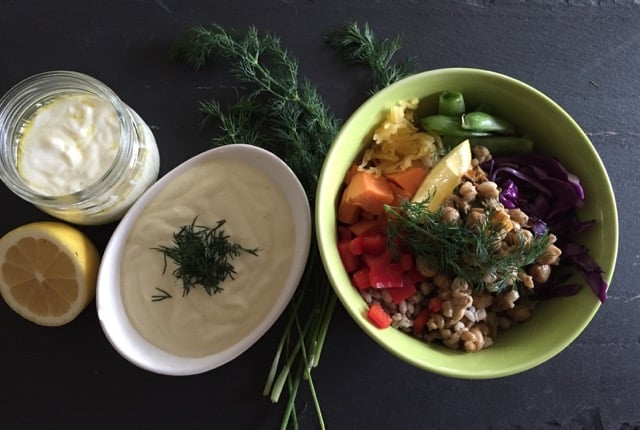

Oatmeal cookie dough power ball bites

For more whole grain recipes, have a look at the recipe collection from the Whole Grains Council.
Happy whole grain cooking!
Tagged in: Calgary Dietitian, Calgary Nutritionist, barley, calgary dietician, cooking, dietician, dietitian, gluten free, health, healthy, how to cook whole grains, kitchen, oatmeal., quinoa, rice, teff, whole grains


Welcome to the Energize Nutrition blog, where we share evidence-based nutrition content, designed to empower people’s midlife. Take a look around to find information on feeling your best.
If you need more individualized support, reach out to set up a free discovery call with Kristyn Hall.

Battling chronic hunger, poor energy, or inflammation? Discover what this powerful ingredient is and why it might be the solution!