How to maximize your nutritional health in perimenopause and menopause


As I navigate perimenopause, I receive unsolicited social media posts about how I can shred my menopausal middle. I see images of women’s bodies, both shamed and glorified. I read messages about foods to avoid. I hear women lament about the foods they (supposedly) can no longer eat. It feels like I am anticipating and waiting for an imminent hurricane to destruct my sleep, my mood, my temperature regulation and my body.
As a registered dietitian and expert in midlife and women’s health, I routinely encounter women who feel they have missed the memo as they go through the stages of perimenopause and menopause. These stages are not just physiological and psychological transitions but are also associated with various changes in body composition, metabolism, as well as heart health, bone health, as well as general health and well-being.
These changes are piled on top of a woman’s relationship with food, body image, her dieting history and her otherwise complex life. If we aren’t anticipating or prepared for these changes, our lives can feel out of control.
We prepare our young girls for how their bodies will change when they go through puberty. But we don’t do a great job helping women understand how their bodies will change in peri-menopause and the menopausal transition. Nutrition plays a pivotal role in these changes, alleviating symptoms, and preventing long-term health concerns.
The goal is to empower us women to develop adaptive, nutritious, and mindful eating skills and lifestyle practices, enabling us to feel calm and confident in our food decisions, and in our body. This approach equips us to navigate both life and body changes with assurance in our abilities and approach. It is crucial for women to cultivate a positive relationship with food, eating, alcohol and their bodies—one that emphasizes self-care, support, and is liberated from rules and manipulative expectations.
The goal is to empower us women to develop adaptive, nutritious, and mindful eating skills and lifestyle practices, enabling us to feel calm and confident in our food decisions and in our body.
TRIGGER WARNING: In this post, I discuss body weight, body weight change and calorie intake, so that I can help women understand and anticipate the changes that are happening in their body.
In this blog post, I summarize a recently published article The Importance of Nutrition in Menopause and Peri-menopause from the Journal Nutrients. I will explain:
- Why is nutrition important during perimenopause and menopause?
- Metabolic shifts and weight change in perimenopause and menopause
- The role of estrogen in appetite
- The role of estrogen in body composition and weight change
- Bone health changes in menopause
- Heart health changes in menopause
- Changes in carbohydrate metabolism in menopause
- Cancer prevention during peri-menopause and menopause
- The microbiome and menopause
- Women’s options for maximizing their nutritional health during peri-menopause and menopause
Why Is Nutrition Important During Perimenopause and Menopause?
During perimenopause, which typically begins in a woman’s 40s, and menopause, which is marked by 12 consecutive months without menstruation, women experience a significant hormonal shift.
Among the many shifting hormones, the reduction of estrogen affects several body systems, resulting in changing body composition and body composition, an increase in the risk of chronic health concerns such as cardiovascular disease, osteoporosis, and metabolic health concerns like type 2 diabetes and cancer.
Nutrition is essential for mitigating these changes by supporting overall health, maintaining a balanced metabolism, and alleviating common menopausal symptoms such as hot flashes, night sweats, and mood swings.

Metabolic Shifts and Weight Change in Perimenopause and Menopause
One of the most significant challenges women experience during this time is changing body weight. The drop in estrogen levels results in a decrease in basal metabolic rate by about 250-300 calories/day, meaning women need less energy (ie – burn fewer calories) at rest. This metabolic slowdown, combined with potential increases in appetite also seen with dropping estrogen (see next section), often leads to weight change (gain), particularly around our middle.
Optimal nutrition, including optimized energy intake without sacrificing essential nutrients, is key to managing this change in body composition. I want to clarify that managing this change in body composition should not be mid-interpreted as preventing it all-together. Weight change is a symptom of menopause, being experienced by the majority (60-70%) of midlife women.
The Role of Estrogen in Appetite
Estrogen is not only vital for reproductive health. With estrogen receptors found throughout our body, estrogen has many other physical impacts in our bodies, including playing a crucial role in regulating appetite. During the reproductive years, estrogen has been shown to enhance feelings of satiety after meals, which signals that we have had enough. However, as estrogen levels decline during perimenopause and menopause, this appetite-reducing effect diminishes, leading to an increase in hunger and cravings, often for carbohydrate-rich and high-calorie foods.
This shift in estrogen levels can contribute to weight change. Optimizing energy intake and lifestyle (movement, alcohol intake, sleep) area areas we can look at and adjust for this lowered metabolic rate.
The Role of Estrogen in Body Composition and Distribution
The decline in estrogen significantly impacts our body composition (how much fat mass and lean, fat-free mass we have). Estrogen plays a key role in regulating where fat is distributed in our bodies. Estrogen promotes the storage of fat in the subcutaneous layer (just under our skin), which is thought to be healthier than the visceral fat that builds up around internal organs.
With the reduction of estrogen during menopause, women experience a shift in where body fat is distributed or stored. More fat accumulates around our abdomen (our middle). This visceral fat is associated with an increased risk of health concerns like cardiovascular disease, type 2 diabetes, and certain types of cancer.
Insulin sensitivity, which is also influenced by estrogen, decreases as estrogen levels drop, further contributing to the development of metabolic health concerns like insulin resistance.
In addition to increased fat storage, the loss of estrogen also results in a reduction in muscle mass, which contributes to a condition called sarcopenia, the age-related loss of muscle mass. This loss of lean muscle mass further reduces the body’s metabolic rate, making it even more challenging to maintain, let alone lose weight.
Studies show that women gain an average of 10 kg (22 pounds) between the ages of 40 and 60. The paper goes on to add women may gain an average of 2 kg (4.4 pounds) per year during the menopausal transition if they do not adjust their lifestyle and diet.
What isn’t clear from this paper is whether this change in weight inevitable? Or can the trajectory of weight change be reduced through optimizing diet and lifestyle that is sustainable, without dieting or encouraging disordering eating and living patterns? Energy intake below our basal metabolic rates does not lead to weight loss in the long term – in fact, it reduces our basal metabolic rate in the long term. It also contributes to disordered eating patterns that move us away from our values and life energy.
One part of the paper that I didn’t agree with was the focus on calorie reduction of 500-700 kcal/day for women who are living in high body weights. There is consistent evidence showing that while calorie reduction can produce short-term reduction in weight, calorie restriction is not sustainable and contributes to weight cycling. There was no acknowledgement or discussion of the lack of sustainability of this dietary intervention, but rather the perpetuation of this ancient and ineffective approach.
Bone health changes in menopause
In the 1-3 years just before the menopausal transition and in the 5-10 years following menopause, there is a 2% yearly loss in bone mineral density, resulting in a 10-12% decrease in bone mineral density in the spine and hip. Reduced bone mineral density increases the risk of developing osteoporosis, a chronic progressive health concern that puts a person at risk of falls related to broken bones. We want to reduce the risk of fractures caused by osteoporosis and preserve our bone mineral density through nutrition and lifestyle. Bone-friendly nutrition includes calcium, vitamin D, protein, and vitamin C.
What you eat matters to your bone health

Heart health changes in menopause
With a decrease in estrogen levels, there is an increased risk of heart health concerns. When estrogen is present, our lipid profile (total cholesterol, LDL-cholesterol, HDL-cholesterol, Triglycerides) is more favourable. With menopause, the lipid profile deteriorates, the elasticity of our blood vessels reduces and blood supply to our organs deteriorates.
A healthful diet is recommended for everyone to prevent cardiovascular diseases. The paper cites heart health promoting nutrition recommendations compiled from different sources:
- Focusing on healthful fats, like polyunsaturated and monounsaturated fats, and replacing saturated fats with polyunsaturated fats, including the omega-3 fats EPA and DHA.
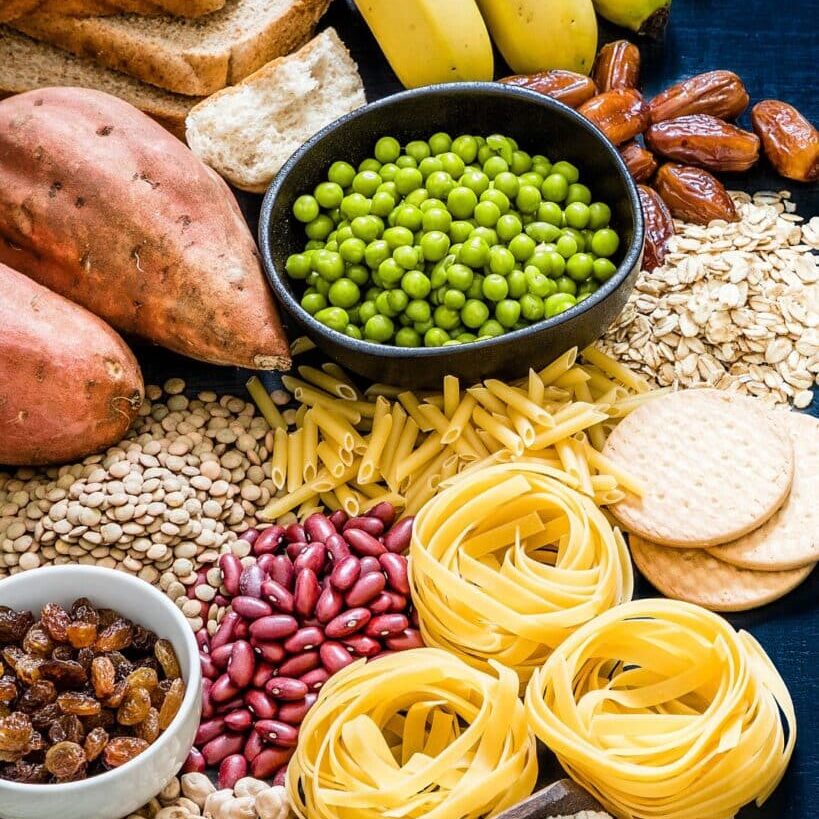
- Consuming enough dietary fiber is also important. The paper recommends 30-45 g/day, by consuming whole grains. Replace refined grains with whole grains. Of note, fiber come from whole grains, but also from vegetables, fruits, legumes, lentils, nuts and seeds.
- Balancing energy consumption by consuming at least 400 g of vegetables and fruits per day is recommended. Vegetables and fruit can come from fresh, frozen, canned and dried forms.
- Consuming legumes, nuts and 2-3 servings/week of fish per week are associated with a reduced risk of cardiovascular disease. Four to five servings of unsalted nuts, seeds and legumes per week are recommended.
- Limiting refined sugars.
- Reducing sodium intake, while eating vegetables, fresh fruit, fish, seeds, unsaturated fats, low fat dairy products and avoiding red meats.
Changes in carbohydrate metabolism in menopause
As estrogen levels reduce, we see a reduced secretion of the hormone insulin. We also get a decrease in insulin sensitivity in the muscle, which reduces the uptake of glucose from the blood. We become less sensitive to the hormone insulin in our liver and so we create the conditions where we are more likely to store carbohydrate and fat. With menopause, there is a higher risk to developing a carbohydrate metabolism disorder like diabetes.
According to the paper, consuming carbohydrates with a low glycemic index, and rich in fiber have health protective effects. Focusing on vegetables, whole grain foods, fruits and dairy products without added sugar. Fiber helps to slow the absorption of carbohydrate and therefore, produces a gentler blood sugar response. Having a daily eating schedule helps to distribute carbohydrate throughout the day.
The paper goes on to emphasize fiber, and how it reduces the risk of developing metabolic syndrome. It does this, in part, by impacting the composition of our intestinal flora, which have a positive effect on metabolism, insulin sensitivity and insulin secretion.
Cancer prevention during peri-menopause and menopause
Cancer prevention lifestyle changes include intentional movement, nutrition, limiting alcohol, tobacco and, according to this review, limiting coffee. With the increase in insulin resistance, there is an increased risk of tumour development.
The common cancer that can develop at this stage of life include breast cancer. Regular alcohol consumption and a sedentary lifestyle in the pre and post-menopausal periods increase the risk of developing a breast cancer.
And in additional to following a healthful diet, consuming 500 g of vegetable and fruit a day, as well as regularly including cruciferous vegetables such as cabbage, broccoli, cauliflower, and radishes, are thought to be important.
Soy and phytoestrogens and menopause
Menopause hot flashes are rarer in countries where consumption of soy-containing foods is a regular part of their diet. However, studies investigating the impact of soy on menopausal symptoms have found mixed results. Some studies have found that soy can have a positive effect on the strength and frequency of symptoms. However, among women with hormone-sensitive breast tumors, soy can have a negative impact. This needs to be a conversation between women and their physician or nurse practitioner. Choosing evidence-based therapies that actually improve symptoms of menopause is the goal.
The microbiome and menopause
Estrogen levels can affect the gut microbiota, and the gut microbiome can impact estrogen levels. The intestinal flora has a role in estrogen metabolism, which can increase the biologically active estrogen in the body, thereby slowing the decline of estrogen.
Maintaining a healthy gut microbiome via a balanced diet can help promote gut health. If you are thinking of increasing your fiber intake, do so gradually to mitigate symptoms of bloating and gut discomfort.
Nutrition for Elevation: Women’s Options for Managing Their Nutrition During Menopause
Managing nutrition during peri-menopause and menopause is not about adopting restrictive diets but rather focusing on balanced, nutrient-rich foods that support our overall health, and that enhances our mental well-being.
Here are several key strategies to help:
- Align and optimize energy intake with energy needs
As metabolism slows, we don’t need as much energy from food and drink. Optimizing energy intake helps to align our intake with our body’s adjusted needs. This does not mean calorie restriction, which can lead to nutrient deficiencies, disordered eating and other mental health concerns, but rather looking at our habits with food, drink and alcohol and seeing if there are options for improvement.
Focus on nutrient-rich foods as the foundation of the dietary pattern. Incorporate more vegetables, fruits, lean proteins, and whole grains while reducing ultra-processed foods, hidden added sugars and alcohol is a more sustainable approach.
I have found in my practice that optimizing energy intake with energy needs can be helped by expanding skills beyond “what” to eat, to include “how” we eat. Habitually eating to manage difficult emotions including stress, boredom, defeat and anger can make energy optimization difficult. Learning new skills to manage emotions can be game changing here. And processing difficult life experiences with a skilled psychologist can be life altering.
Optimizing energy intake can also be helped by improving sleep quantity and sleep quality.
- Eat a balanced intake of macros
Women can aim to balance their intake macronutrients—carbohydrates, fats, and proteins—tailored to their individual energy needs. Protein is particularly important during menopause, as it helps preserve muscle mass. According to this paper, a daily intake of at least 1–1.2 grams of protein per kilogram of body weight is recommended. Of note, other sources that I have read describe women’s protein needs as higher, depending on a woman’s activity level. This is the subject of another blog post.
Higher protein intake can be achieved through a combination of lean animal proteins (like chicken, fish, eggs, high-protein, unsweetened yogurt) and plant-based proteins (like beans, lentils, and tofu).
Eating enough carbohydrates (a minimum of 120 g/day) with a low glycemic index and rich in fiber is health promoting. Preferred carbohydrate sources include vegetables, whole grains, fruits and unsweetened dairy products. Note that there is still room and flexibility for other carbohydrate sources.
Eating enough fiber (25 g/day) helps to slow the absorption of carbohydrates. Fiber also contributes to satiety and bowel health. Fiber can also have a positive effect on our gut flora, which also plays a role in estrogen metabolism, helping to increase the level of biologically active estrogen, thereby reducing symptoms of menopause.
Limit intake of hidden, added sugars to 5-10% of our total daily intake. It is preferable to help our taste buds adjust to needing less intensely sweet taste over using non-sugar substitutes.
- Eat a variety of foods to get enough micros!
We don’t just need to balance our macros! We need a variety of vitamins and minerals (our micros) to help in many different processes within our bodies. Vitamin D, calcium, vitamin C, B-vitamins are among the 50+ micronutrients our bodies need each day.
- Eat for bone health support
Calcium and vitamin D are critical for maintaining bone health during menopause. Women should aim for 1000-1,200 mg of calcium per day, ideally through food sources such as dairy products, leafy greens, and fortified foods. Vitamin D, which helps the body absorb calcium, can be obtained through sunlight exposure and foods like fatty fish, fortified milk, and eggs. Depending on what your dietary habits are like, and at what latitude you live, supplements for calcium and/or vitamin D may be required. Other bone-friendly nutrients outlined in this paper include protein, vitamin C.
Lifestyle factors that help reduce the risk of fractures include regular, intentional movement, smoking cessation and limiting alcohol.
- Add in anti-Inflammatory foods to your food foundation
Chronic low-grade inflammation, which can be made worse by the accumulation of visceral fat, contributes to many of the health risks associated with menopause. A diet rich in anti-inflammatory foods—such as omega-3 fatty acids from fish and flaxseeds, antioxidants from berries and leafy greens, and healthy fats from olive oil and nuts—can help reduce inflammation.
Consume:
- 300-400 g of vegetables/day (3-4 servings/day)
- 100-200 g/day of fruit (1-2 servings/day)
- Consume legumes – beans, peas, lentils, chickpeas, soy – at least once a week
- 30 g unsalted nuts and seeds/day
- 30-45 g/day of dietary fiber.
- Keep yourself watered
Maintaining hydration is essential, especially as fluid retention and bloating are common complaints during menopause. Hydration requirements are 34 ml/kg. Women should aim to drink water and other non-caloric beverages throughout the day.
- Add in intentional movement including strength building and muscle preservation
While nutrition is crucial, regular intentional movement plays a complementary role in keeping our bodies strong and in preserving our lean body mass, including muscles, bones and soft tissues. Resistance training and weight-bearing movements can help prevent the loss of muscle mass that occurs with advancing age and declining estrogen levels.
While this was not mentioned in the paper, adding in intentional movement is a way for women to support their body image, helping us to feel strong and capable in our bodies.
- Protect your sleep
Disrupted sleep is one of the most challenging side effects of peri-menopause and menopause. Without adequate sleep, our stress resilience is reduced. We tend to be less active. We tend to have lower impulse control with foods. Research suggests that we eat an average of 400-500 calories more when we get less than 5 hours of sleep. There are lifestyle strategies to protect sleep quality and sleep quantity.
Medical therapies available if your sleep is disrupted from reduced estrogen levels. Speak to your physician if you have sleep health concerns.
How sleep impacts what and how much you eat
- Expand skills and strategies to manage stress
There are a lot of moving parts to a woman’s life at this stage. The demands of her family life, work life, and other life stresses can build up on top of stress from health concerns and a changing body. Expanding our skills for preventing stress and for tolerating stress can be game changing. For example, managing stress through mindfulness, yoga, or meditation can help soften emotional and stormy eating, common during this stage of life.
While the article recommends avoiding simple, fast-acting sugars, I find this to be impractical. My suggestion would be to examine when we eat these foods and to explore how we eat these foods. Mindful eating practices, such as paying attention to hunger, fullness and satisfaction, and mindful check ins can expand a woman’s set of skills for self-management.
Conclusion
Perimenopause and menopause are significant life transitions that affect many aspects of a woman’s life and her health. Transitions present an opportunity to take stalk of how we are living and invite the possibility to make positive lifestyle changes, if that is important to us.
By prioritizing nutrition—focusing on a balanced, nutrient-rich diet rich, optimizing energy intake, and incorporating regular intentional movement—women can navigate this phase of life feeling empowered, with energy, vitality, and reduced risk of chronic health concerns.
While each woman’s experience with menopause is unique, a plan for nutrition can provide a solid foundation for managing symptoms and maintaining long-term health. Remember, it’s never too late to start making meaningful changes that support your well-being.
The review article cited in this post is:
Erdelyi A, et al. The Importance of Nutrition in Menopause and Perimenopause – A Review. Nutrients. 2024. January; 16(1): 27. Available from: https://www.ncbi.nlm.nih.gov/pmc/articles/PMC10780928/
Tagged in: Calgary Dietitian, Calgary Nutritionist, Over 40, menopause, midlife nutrition
1 Comment
Leave a Comment


Welcome to the Energize Nutrition blog, where we share evidence-based nutrition content, designed to empower people’s midlife. Take a look around to find information on feeling your best.
If you need more individualized support, reach out to set up a free discovery call with Kristyn Hall.
Battling chronic hunger, poor energy, or inflammation? Discover what this powerful ingredient is and why it might be the solution!


Amazing information!! Thank you!!